Annular Tear — ELDOA Guide
Learn how ELDOA addresses annular tear through targeted spinal decompression. These exercises focus on segments L4-L5, L5-S1, improving nerve function and fascial mobility.
🎬 Recommended Videos
Follow-along exercises matched to Annular Tear.
 0:00
0:00
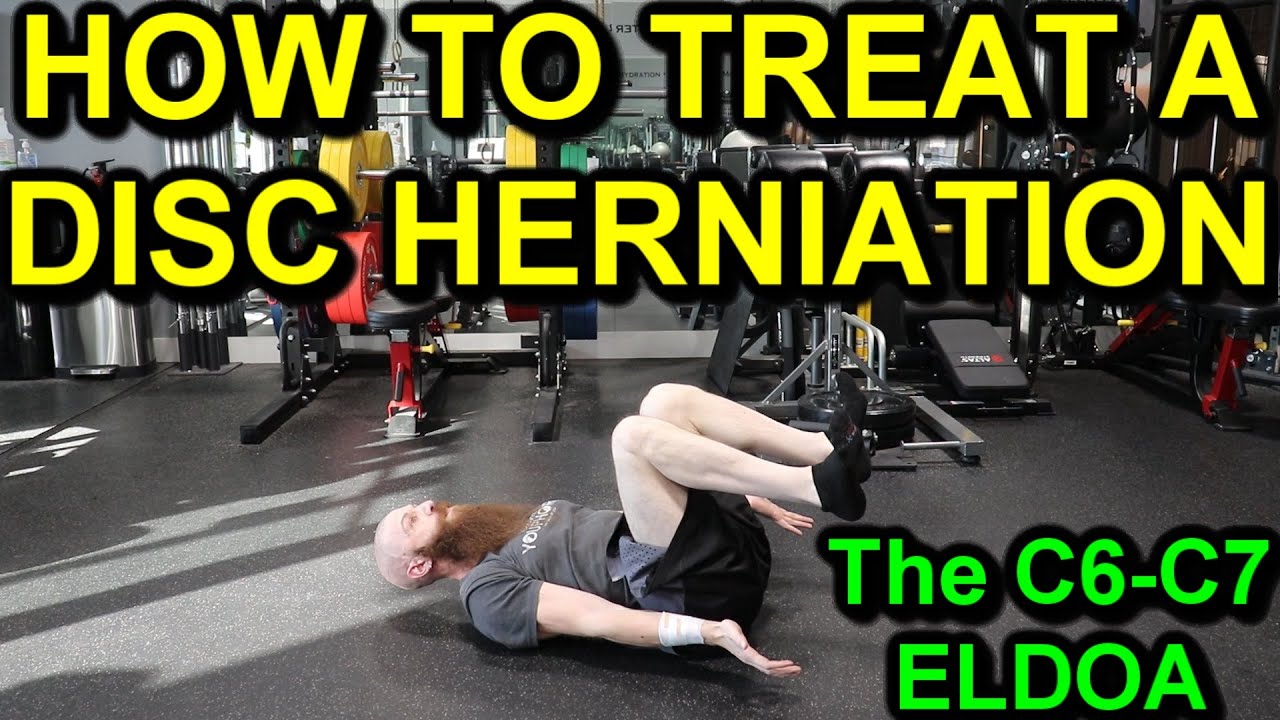
ASK ME ANYTHING: How Can You Treat a C6-C7 Disc Herniation???
Q&A on treating C6-C7 disc herniation using ELDOA
 15:00
15:00
The ELDOA You Can Do Every Day! (L4-L5, T12-L1, T8-T9, L5-S1)
Quick daily ELDOA circuit covering lumbar and thoracic stretches
 7:39
7:39
ELDOA Method Lumbar Spine
Demonstration of an ELDOA exercise for the lumbar spine
 0:00
0:00
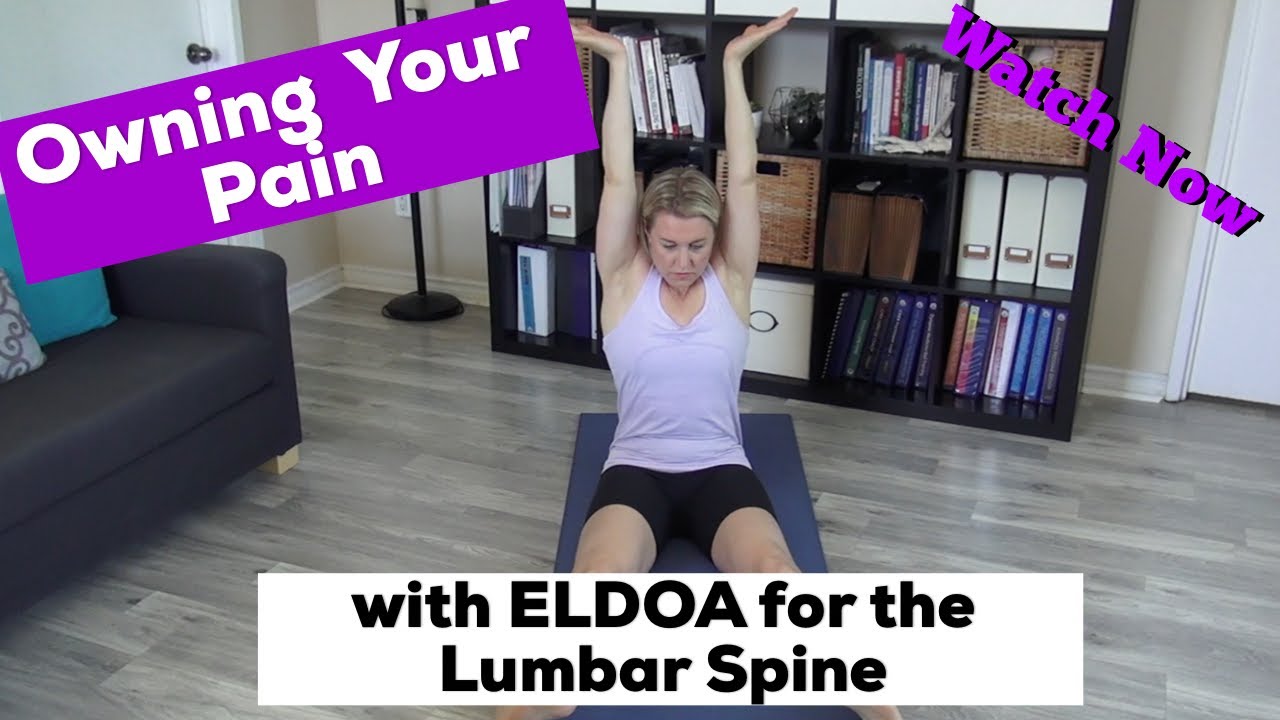
Owning Your Pain – ELDOA for the Lumbar Spine
ELDOA postures targeting the lumbar spine
 0:00
0:00
HOW TO CORRECT LUMBAR SCOLIOSIS POSTURE: Top 5 ELDOA
Top 5 ELDOA exercises to correct lumbar scoliosis
 0:00
0:00
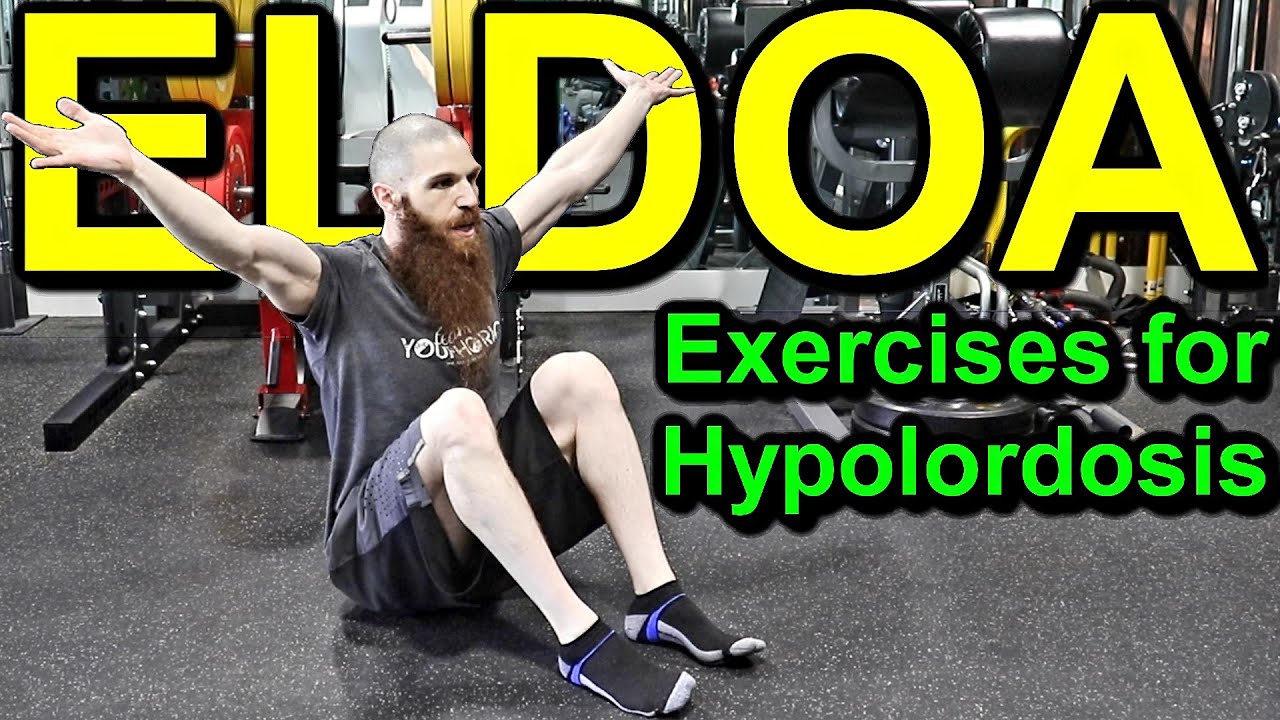
HOW TO CORRECT LUMBAR HYPOLORDOSIS POSTURE: Top 5 ELDOA
Top 5 ELDOA exercises to correct lumbar hypolordosis
 0:00
0:00
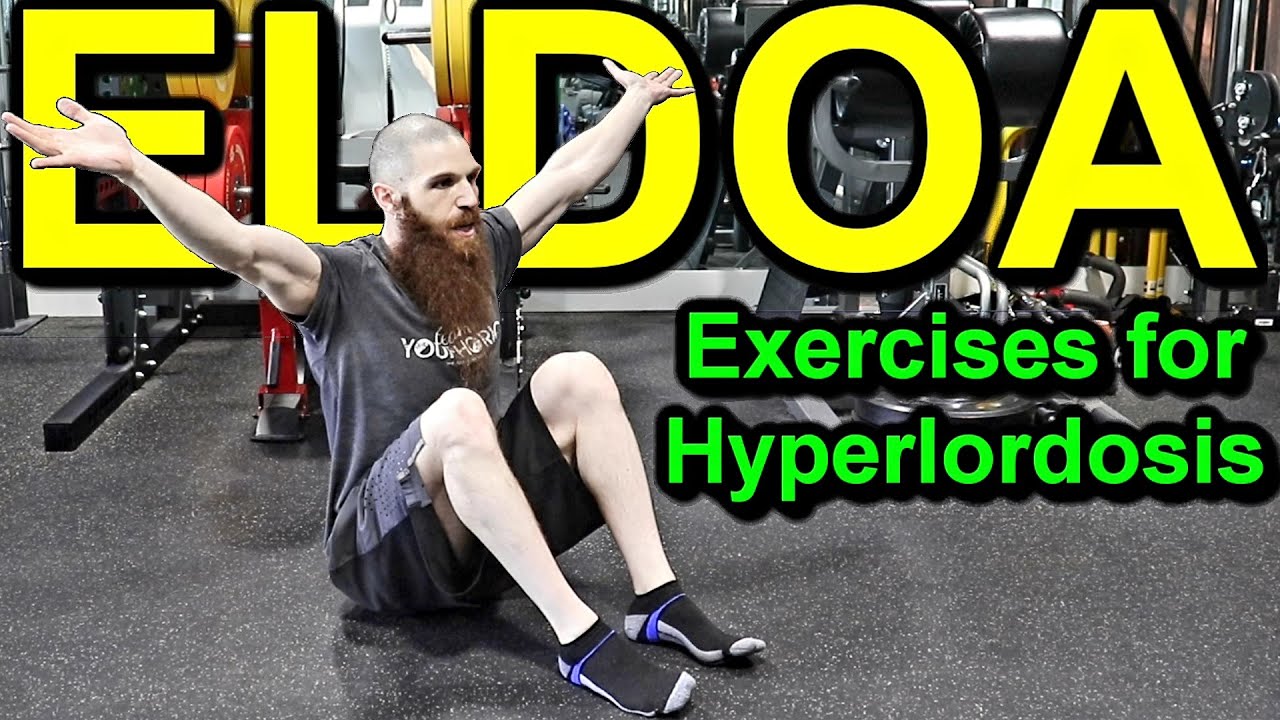
How to Correct Lumbar Lordosis Posture: Top 5 ELDOA
Top ELDOA exercises for correcting lumbar lordosis.
 0:00
0:00
ELDOA Flow for L4-L5 & L2-L3
Combined ELDOA routine focusing on lumbar spine levels L4-L5 and L2-L3
🦴 Targeted ELDOA Positions
Specific spinal segments and exercise positions for Annular Tear.
Lower Lumbar
Second most common site of disc herniation. Greatest height decrease after prolonged sitting (4+ hours).
L4-L5 Flexion ELDOA
- Posterior pelvic tilt
- Lengthen low back
- Knees to chest variation
- Breathe into lumbar spine
Lumbosacral Junction
Bears highest loads in spine. Steeper disc inclination increases shear stresses. Most common site of disc herniation and spondylolysis.
L5-S1 Decompression ELDOA
- Posterior pelvic tilt
- Sacral nutation
- Lengthen lumbosacral angle
- Ground through feet
L5-S1 Extension ELDOA
- Anterior pelvic tilt with control
- Maintain abdominal engagement
- Lengthen through crown
- Breathe into belly
📖 Learn More
Encyclopedia entries related to Annular Tear.
❓ Frequently Asked Questions
Common questions about Annular Tear and ELDOA.
How can ELDOA help with annular tear?
ELDOA exercises target the spinal segments related to annular tear. By creating space between vertebrae and reducing nerve compression, ELDOA addresses the structural root cause.
What exercises are recommended for annular tear?
See the matched videos and exercises below. Start with the beginner-level positions and hold each for 60 seconds. Progress gradually.
Need Personalized Help?
Our diagnostic tool analyzes your specific pain pattern and recommends the exact exercises for your body.