Balance Problems — ELDOA Guide
Learn how ELDOA addresses balance problems through targeted spinal decompression. These exercises focus on segments C1-C2, L4-L5, improving nerve function and fascial mobility.
🎬 Recommended Videos
Follow-along exercises matched to Balance Problems.
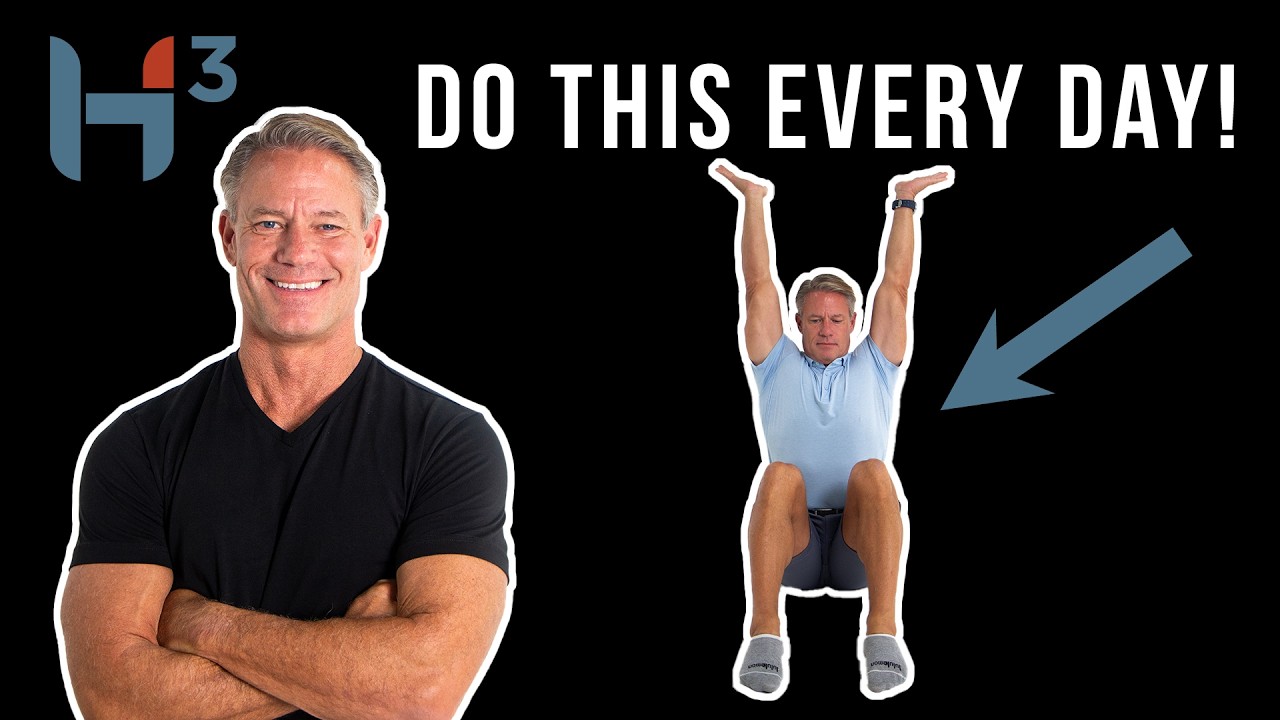 15:00
15:00
The ELDOA You Can Do Every Day! (L4-L5, T12-L1, T8-T9, L5-S1)
Quick daily ELDOA circuit covering lumbar and thoracic stretches
 7:39
7:39
ELDOA Method Lumbar Spine
Demonstration of an ELDOA exercise for the lumbar spine
 0:00
0:00
ELDOA Flow for L4-L5 & L2-L3
Combined ELDOA routine focusing on lumbar spine levels L4-L5 and L2-L3
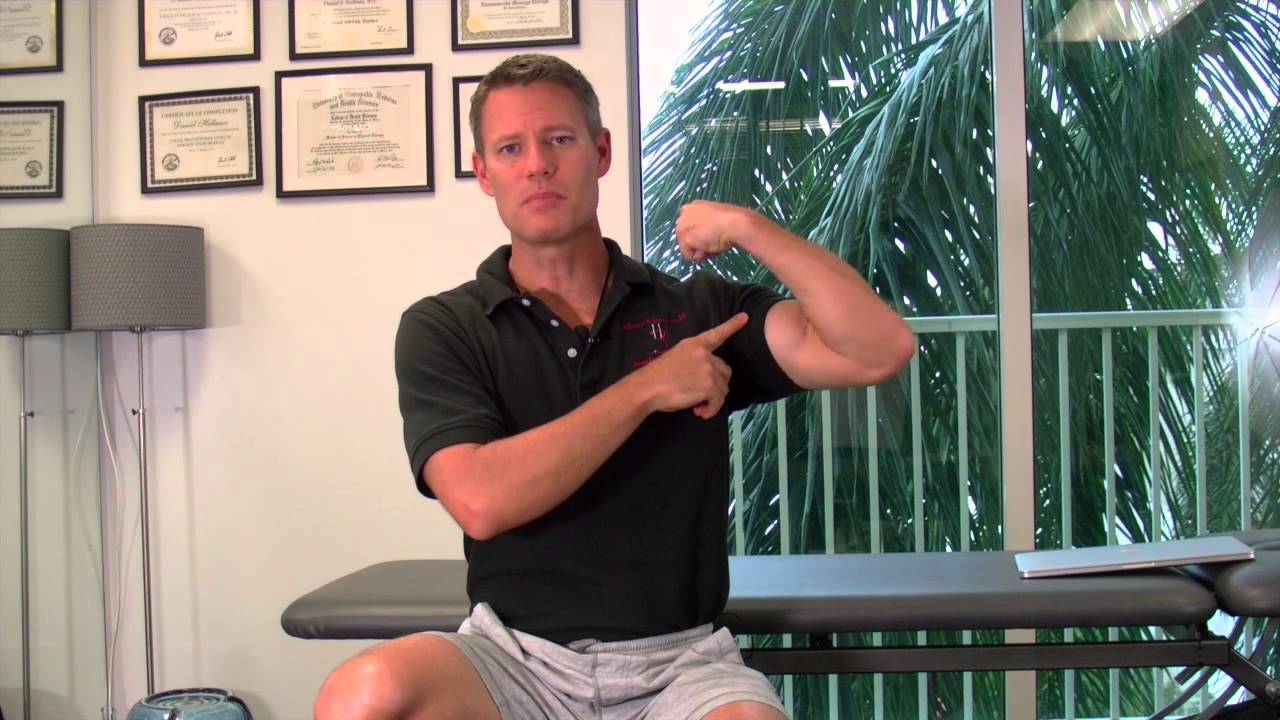 9:58
9:58
The ELDOA Method
Introduction to ELDOA, history and benefits
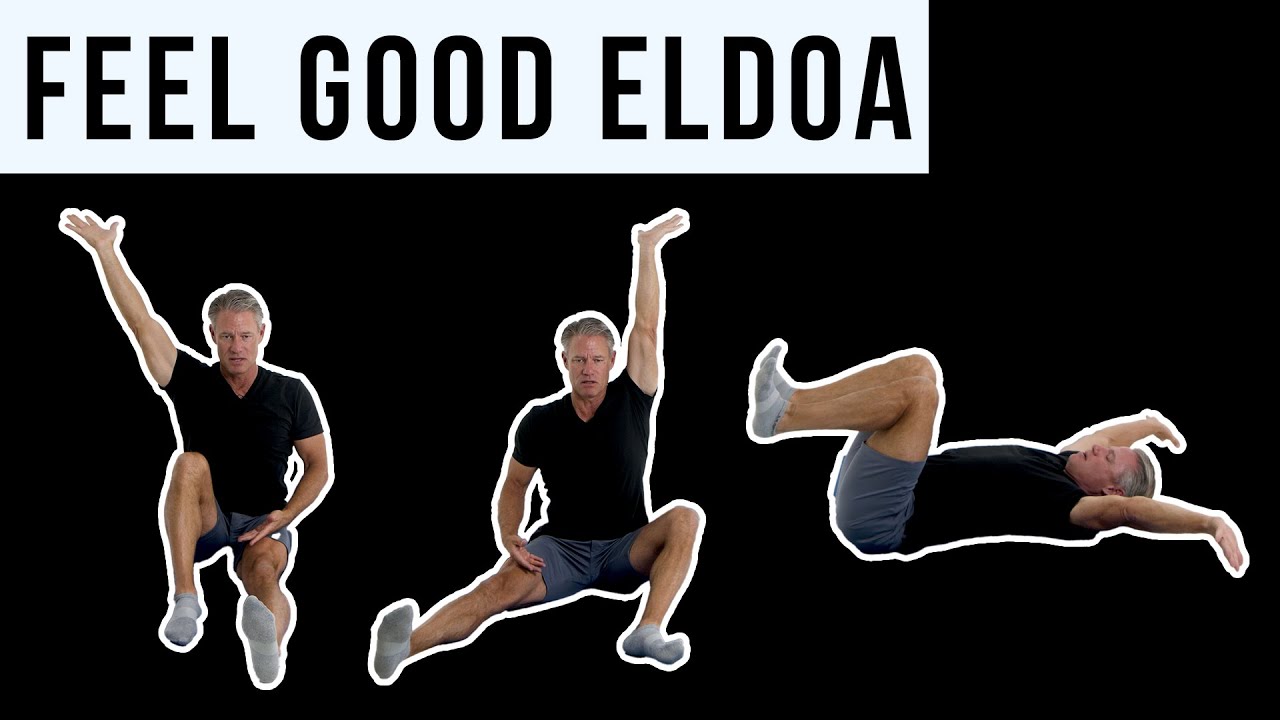 14:00
14:00
The "FEEL GOOD" ELDOA Program
15-minute ELDOA routine for general well-being
 17:09
17:09
The Ultimate Golf Longevity Plan: ELDOA & Stretching to Stay Pain-Free
ELDOA-based routine for golfers
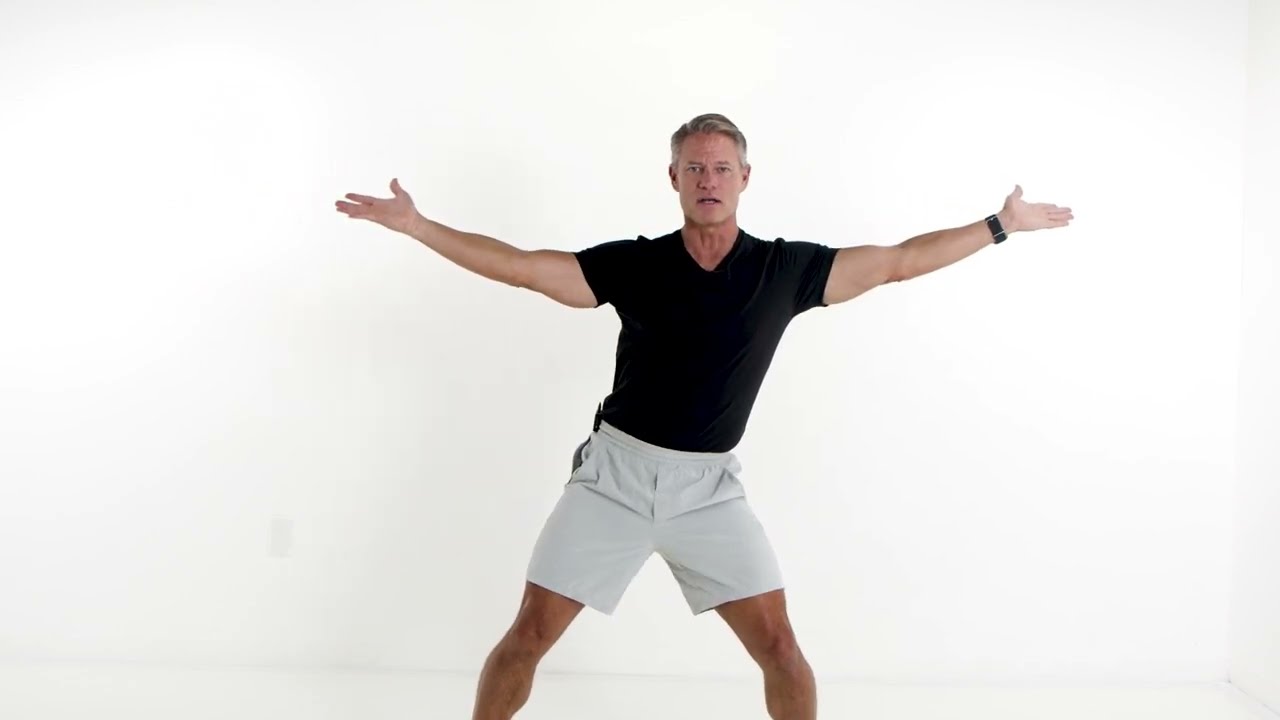 12:00
12:00
Dan Hellman – The ULTIMATE Guided Mobility Course!
Guided mobility class highlighting ELDOA techniques
 21:37
21:37
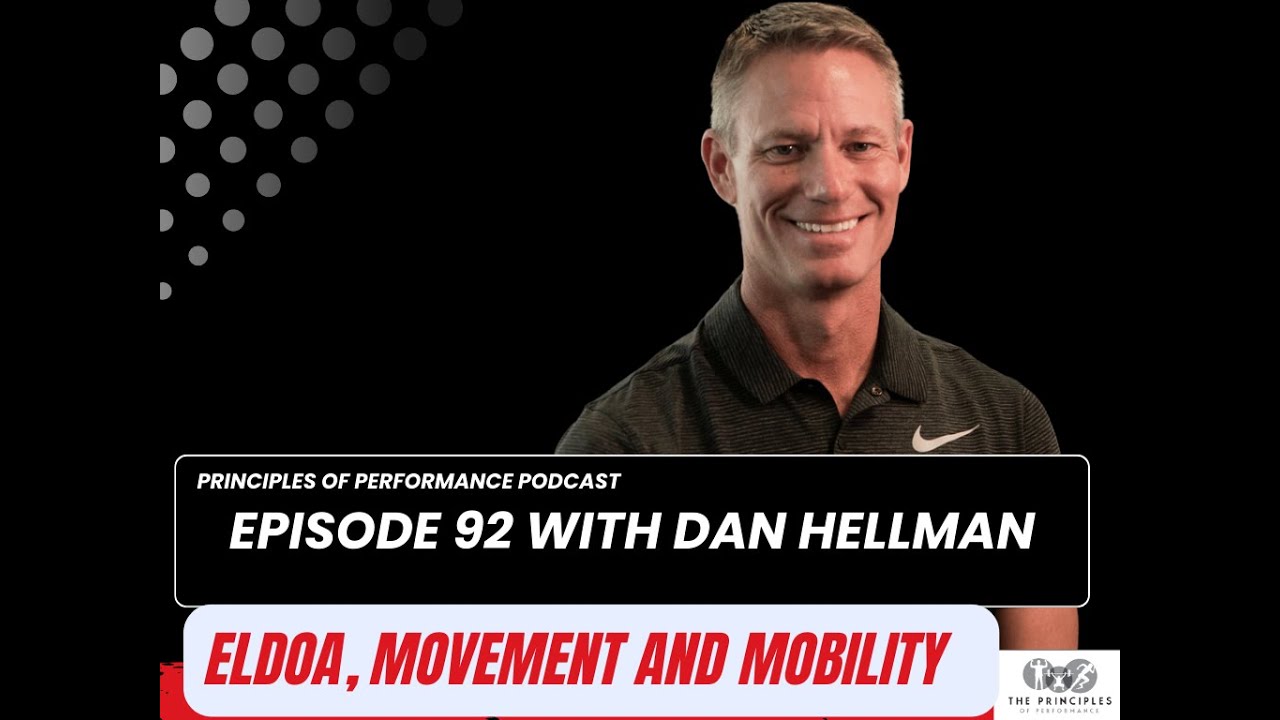
Podcast 092 – ELDOA, Movement and Mobility (with Dan Hellman)
Interview on ELDOA methodology and movement
🦴 Targeted ELDOA Positions
Specific spinal segments and exercise positions for Balance Problems.
Upper Cervical (Atlas-Axis)
The atlanto-axial joint allowing head rotation. Critical for vestibular function, eye-cervical relationships, and concussion recovery.
C1-C2 Rotation ELDOA
- Chin tuck
- Axial elongation
- Gentle rotation
- Maintain eye level
Lower Lumbar
Second most common site of disc herniation. Greatest height decrease after prolonged sitting (4+ hours).
L4-L5 Flexion ELDOA
- Posterior pelvic tilt
- Lengthen low back
- Knees to chest variation
- Breathe into lumbar spine
📖 Learn More
Encyclopedia entries related to Balance Problems.
Active Fascial Tension
Whole Body
Instead of someone else stretching you, you use your own muscles to create a special kind of stretch. It's like being your own stretching coach!
Acute Phase Protocol
Whole Body
When you first get hurt, you need to be extra gentle with exercises. It's like when you scrape your knee - you clean it carefully at first, th...
Alexander Technique
Whole Body
Another way to improve posture that focuses on letting go of tension. It's different from ELDOA because ELDOA uses stretching, while Alexander...
Alignment
Whole Body
Making sure all the bones in your body line up properly, like stacking blocks perfectly straight. Good alignment helps you move better and hurt less.
❓ Frequently Asked Questions
Common questions about Balance Problems and ELDOA.
How can ELDOA help with balance problems?
ELDOA exercises target the spinal segments related to balance problems. By creating space between vertebrae and reducing nerve compression, ELDOA addresses the structural root cause.
What exercises are recommended for balance problems?
See the matched videos and exercises below. Start with the beginner-level positions and hold each for 60 seconds. Progress gradually.
Need Personalized Help?
Our diagnostic tool analyzes your specific pain pattern and recommends the exact exercises for your body.