Brain Fog — ELDOA Guide
Learn how ELDOA addresses brain fog through targeted spinal decompression. These exercises focus on segments C1-C2, C4-C5, improving nerve function and fascial mobility.
🎬 Recommended Videos
Follow-along exercises matched to Brain Fog.
 6:19
6:19
ELDOA Method Cervical Spine
Demonstration of an ELDOA exercise for the cervical spine
 0:00
0:00
Owning Your Pain – ELDOA Cervical Spine Method
Follow-along ELDOA postures to reduce neck pain
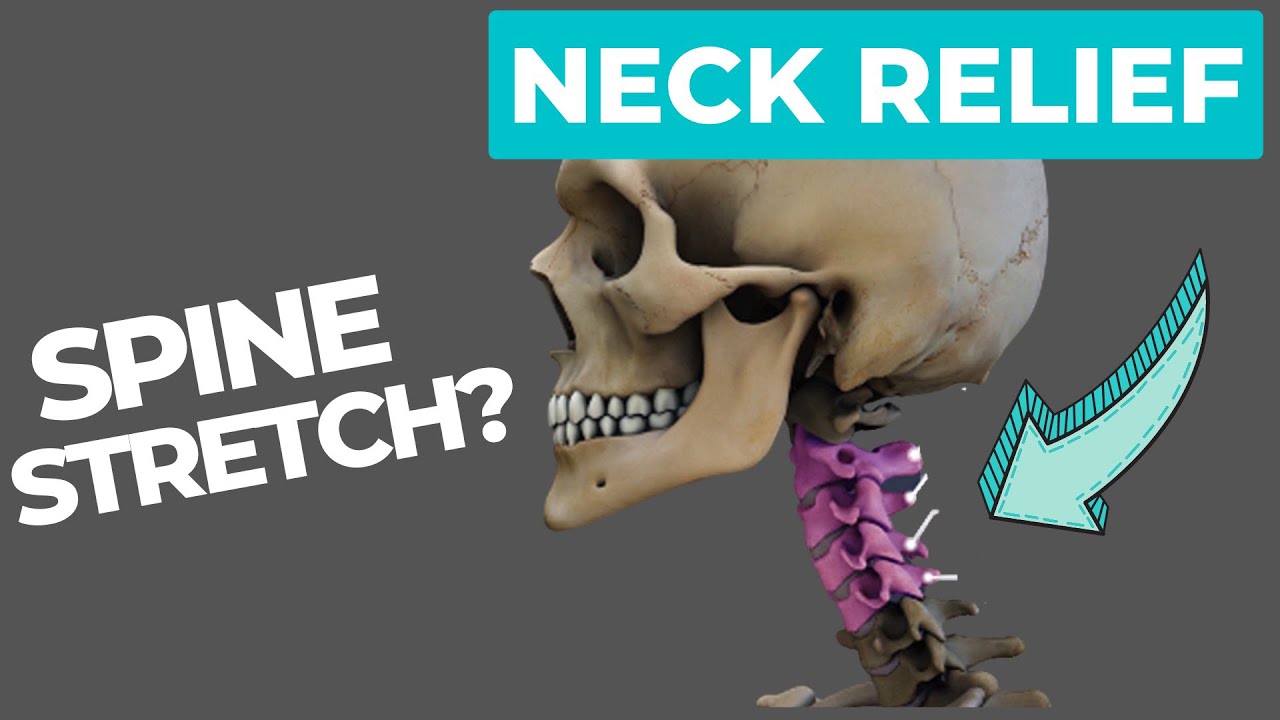 1:30
1:30
Decompress Your Neck (C4-C5) with ELDOA
Brief ELDOA stretch for C4-C5 to relieve neck tension
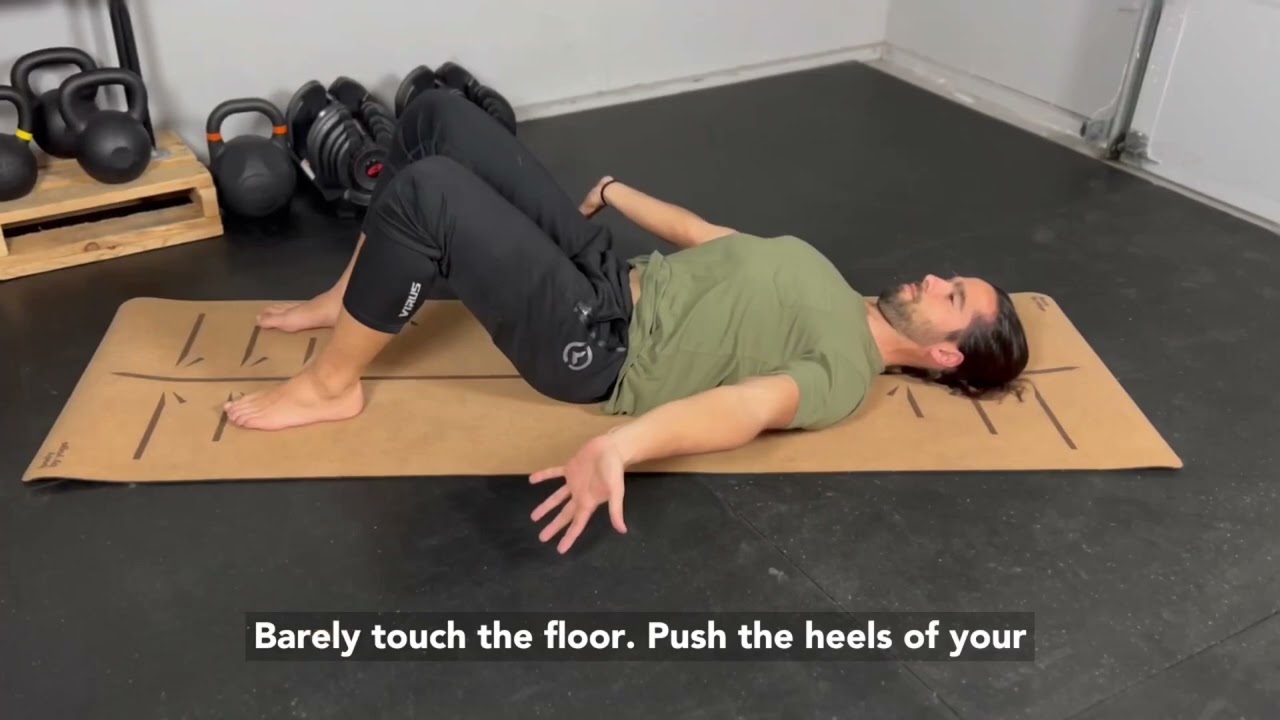 1:45
1:45
Tight Neck Relief – ELDOA C5-C6
Quick ELDOA stretch for C5-C6 to alleviate neck and shoulder pain
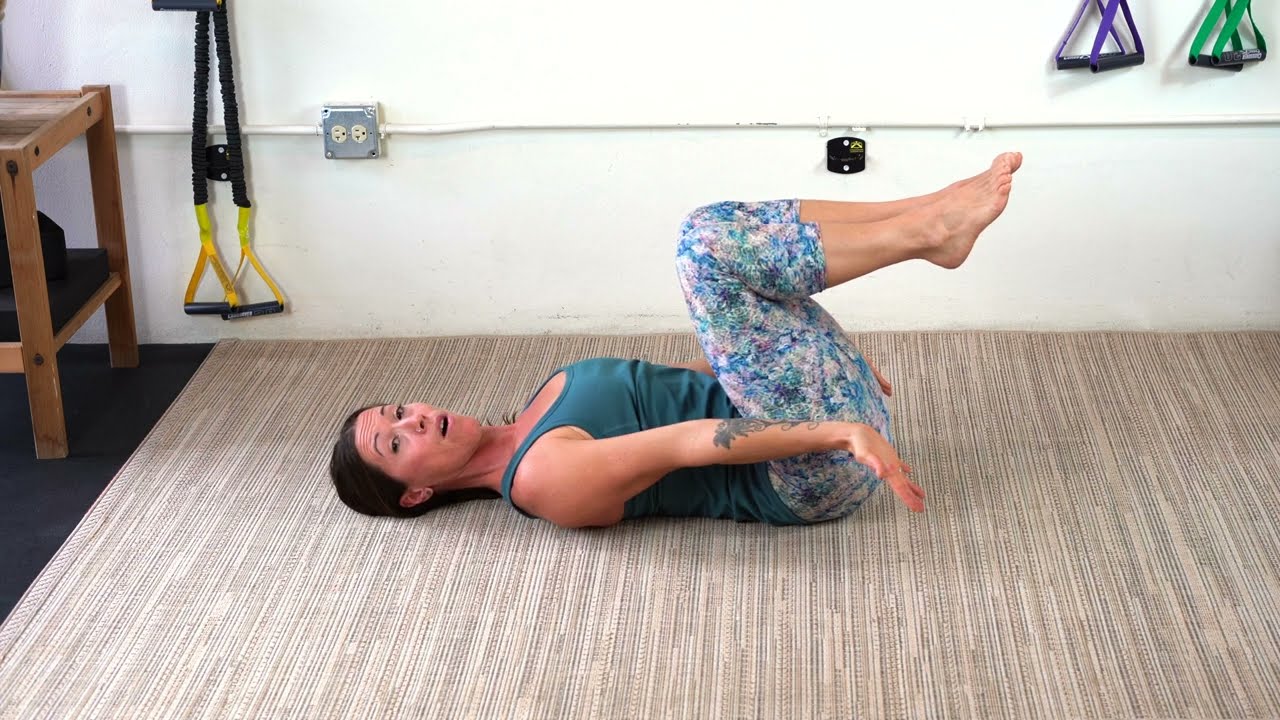 13:57
13:57
ELDOA Flow for the Neck
Follow-along ELDOA flow targeting the neck
 0:30
0:30
Malcolm Gordon does the C6-C7 ELDOA (Neck Pain Relief) #Shorts
ELDOA neck exercise at C6-C7 demonstrated with UFC fighter Malcolm Gordon
 0:00
0:00
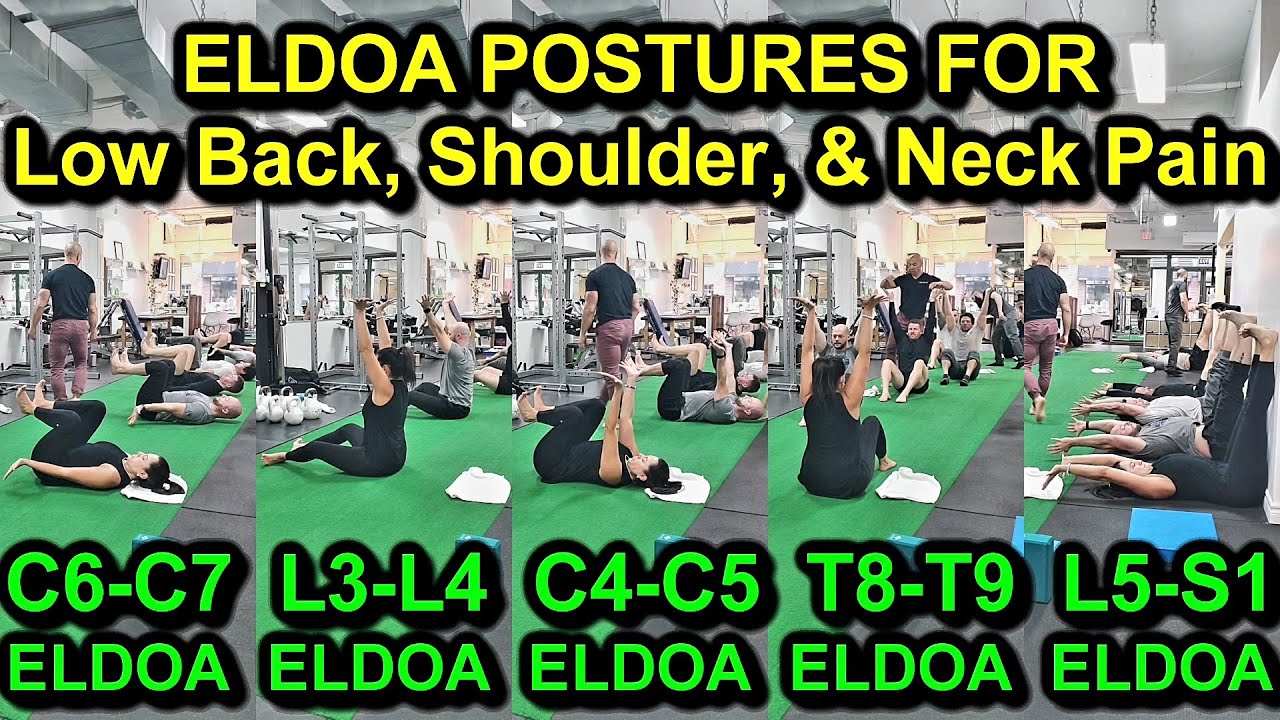
ELDOA Postures for Low Back, Shoulder & Neck Pain! C6-C7, L3-L4
Series of ELDOA postures addressing multiple spinal segments
 0:00
0:00
Top 5 ELDOA Exercises for Neck Pain Relief
Compilation of the top ELDOA exercises including C6-C7 posture for neck pain relief.
🦴 Targeted ELDOA Positions
Specific spinal segments and exercise positions for Brain Fog.
Upper Cervical (Atlas-Axis)
The atlanto-axial joint allowing head rotation. Critical for vestibular function, eye-cervical relationships, and concussion recovery.
C1-C2 Rotation ELDOA
- Chin tuck
- Axial elongation
- Gentle rotation
- Maintain eye level
Mid-Cervical
Common site of cervical disc pathology and nerve root compression affecting shoulder and arm.
C4-C5 Flexion ELDOA
- Forward head translation
- Maintain neutral lower cervical
- Chin to throat
- Breathe into back of neck
❓ Frequently Asked Questions
Common questions about Brain Fog and ELDOA.
How can ELDOA help with brain fog?
ELDOA exercises target the spinal segments related to brain fog. By creating space between vertebrae and reducing nerve compression, ELDOA addresses the structural root cause.
What exercises are recommended for brain fog?
See the matched videos and exercises below. Start with the beginner-level positions and hold each for 60 seconds. Progress gradually.
Need Personalized Help?
Our diagnostic tool analyzes your specific pain pattern and recommends the exact exercises for your body.